Mastering Python Data Structures for Data Scientists

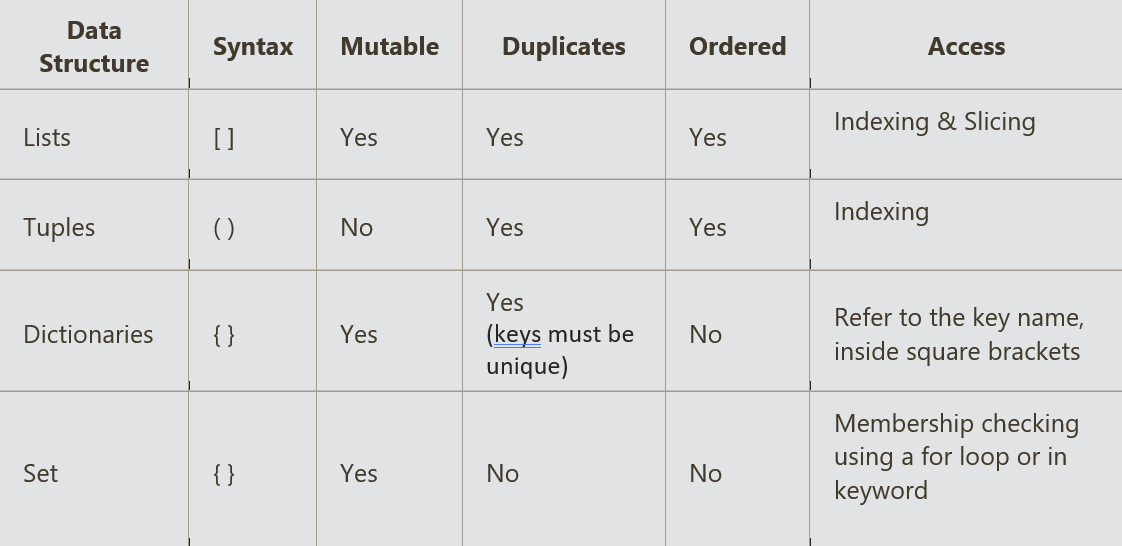
As a data scientist, proficiency in Python's built-in data structures is essential for effective data manipulation and analysis. Python offers four primary data types for handling collections: lists, tuples, dictionaries, and sets. Each type has distinct characteristics tailored to specific use cases.
Python Data Structures Overview
1. Lists
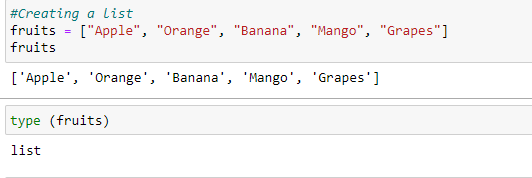
Lists are used to store multiple items in a single variable.
lists are ordered, meaning that the items in a list have a defined order, and this order will be maintained. The first item has index [0], the second item has index [1] etc.
If you add new items to a list, they will be placed at the end of the list, preserving the existing order of elements.
Lists allow duplicate items. Since lists are indexed, they can contain items with the same value at different positions.
It is possible to change, add, and remove items in a list after it has been created.
List items can be of any data type including string, int and Boolean.
Use cases:
Ideal for dynamic collections requiring frequent alterations.
Suited for scenarios where order and duplication are crucial.
2. Tuple
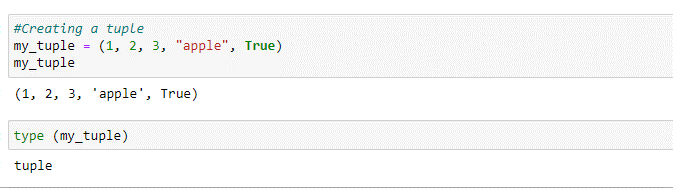
- Tuples are similar to lists but are immutable.
It is not possible to change, add, or remove items in a tuple after it has been created.
Tuples are ordered, and the order of elements is maintained.
They allow duplicates
Use Cases:
Valuable for creating fixed collections of unchangeable values.
Efficient for scenarios demanding an unalterable sequence
3. Dictionary
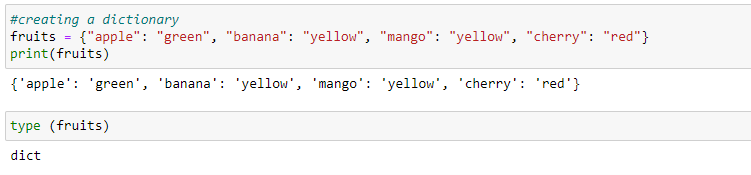
Dictionaries are used to store key-value pairs, where each value is associated with a unique key.
Unlike lists and tuples, dictionaries are not ordered. The order of items in a dictionary is not guaranteed to be the same as their insertion order. Thus, you cannot refer to an item by using an index.
Dictionaries are mutable; you can add, modify, or remove key-value pairs after the dictionary has been created.
Dictionary allows duplicate values, but not duplicate keys. Each key in a dictionary must be unique.
Use Cases:
- Key for storing and retrieving data based on unique identifiers.
Efficient for key-value mapping and lookup operations.
4. Set
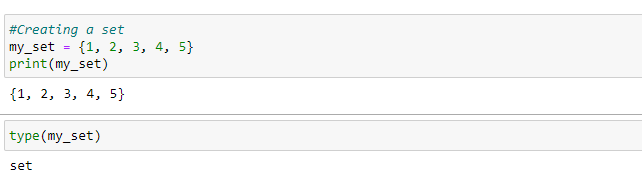
A set is used to store multiple items in a single variable.
Sets are mutable, allowing for the addition and removal of elements after the set has been created.
Sets do not allow duplicate elements. If you try to add an element that already exists in the set, it will be automatically removed
It is unordered, meaning that the items in a set do not have a defined order.
Use Cases:
Useful for handling collections where uniqueness is paramount.
Efficient for membership checking operations.
In conclusion lists, tuples, dictionaries, and sets each have unique strengths. Mastering their properties ensures efficient and secure data manipulation.
Explore w3schools Python Tutorial and practice to solidify your understanding of these data structures